
You walk out onto your Royal Oak deck on a Saturday morning and notice the wood looks gray and thirsty, nothing like it did a few summers ago. Whether you are weighing whether to stain a deck yourself or hand the project off to a pro, knowing how to stain a deck the right way changes everything about the outcome.
Michigan’s climate does not go easy on outdoor wood. Freeze-thaw cycles through winter, wet springs, and summer UV rays work together to crack, warp, and gray out unprotected decks faster than most homeowners expect.
Key Takeaways
- Surface prep, not the stain itself, is what determines how long results last.
- Wood must be fully dry before any stain is applied, or the finish will fail.
- Stain type (transparent, semi-transparent, or solid) should match the condition of your wood, not just your color preference.
- Michigan’s climate calls for specific product choices and timing windows.
- Knowing what a quality stain job looks like helps you evaluate DIY results and contractor work.
- Professional pressure washing before staining makes a real difference in adhesion and finish life.
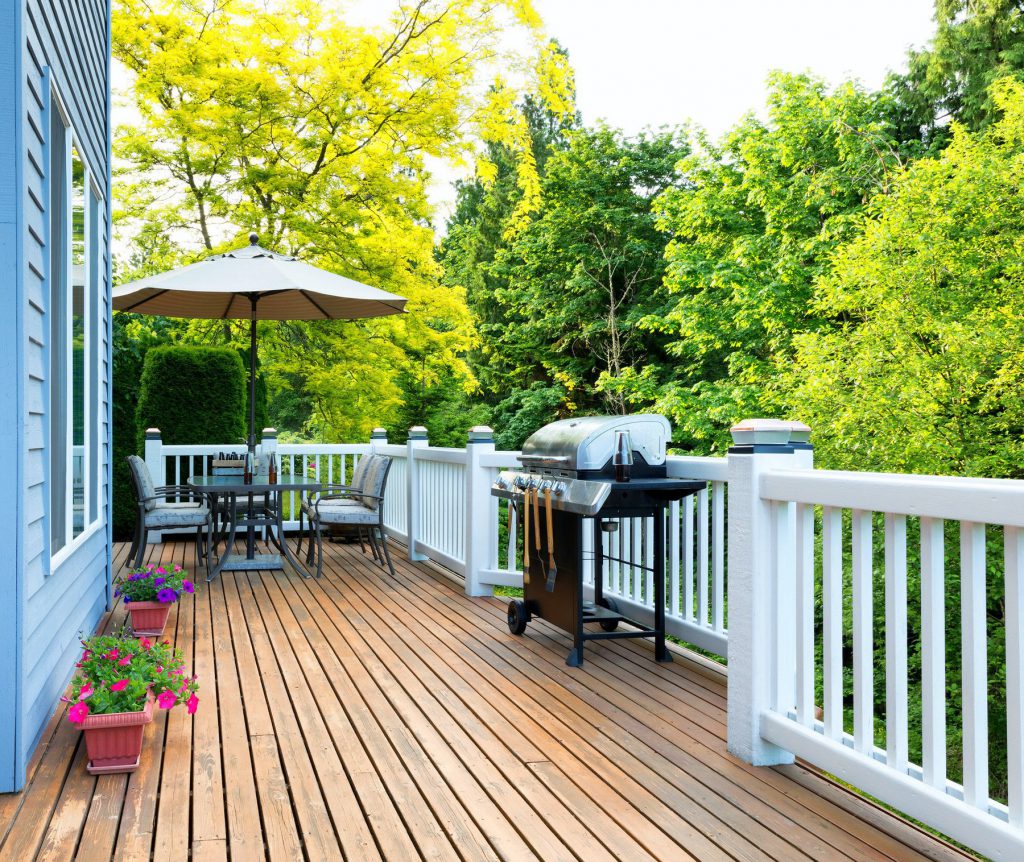
Why Royal Oak Decks Take a Harder Hit Than Most
Your deck faces a relentless beating, from intense summer UV to winter freeze-thaw cycles that crack and warp wood season after season. In Royal Oak and across Oakland County, temperatures swing from well below freezing in January to humid, 90-degree days in July.
Excessive moisture is actually more damaging to a deck than UV alone, since wetting swells the wood and then shrinks it as it dries, creating small cracks every time it cycles through those extremes. That is not just about looks: decks are constantly exposed to sun, rain, temperature changes, and foot traffic, and without protection, wood can crack, fade, absorb moisture, and grow mold or mildew.
For Royal Oak homeowners who have invested in their homes and their outdoor space, leaving a deck unprotected is an expensive mistake waiting to happen. The good news is that learning how to stain a deck properly, and knowing what to look for in the results, puts you in a strong position whether you do it yourself or hire it out.
Choosing the Right Stain: What the Labels Don’t Tell You
Walking into a paint store and staring at 40 options for deck stain is genuinely overwhelming. The real decision comes down to three factors: the condition of your wood, how much grain you want to show, and how often you want to do this again.
Transparent stain lets the grain show but needs reapplication about every year. Solid or opaque stain covers the natural grain but typically lasts 3 to 5 years before a new coat, while semi-transparent sits in the middle and works well for decks that are in decent shape but starting to weather.
Oil-based stains generally penetrate deeper and last longer, which suits outdoor wood exposed to moisture and UV, while water-based stains dry faster and clean up easier for a lower-maintenance option. In Michigan specifically, film-forming stains should be avoided, since they often peel after freezing and thawing, so a penetrating oil-based stain that soaks in is usually the better long-term choice here. Part of how to stain a deck well is matching the product to the wood and the climate, not just the color on the lid.
One more thing before you buy: check compatibility with any existing coating, since layering an oil-based stain over a water-based one can cause peeling or blotching. If you are not sure what was previously applied, a deck professional can test the surface first. If you are weighing whether to stain or paint the deck entirely, our post on painting versus staining exterior surfaces breaks down the full cost and durability comparison.
The Step Most Homeowners Skip (and Why It Costs Them)
Surface prep is where most deck staining projects go wrong, and honestly, it is the part of how to stain a deck that homeowners underestimate most. A poorly prepared surface leads to weak adhesion, uneven color, and a shorter stain life.
Inspect the Boards First
Inspect the deck for damage, then repair or replace damaged boards. Sand splintered areas with a pole sander and 80-grit sandpaper, and drive in any nails that have worked out or replace them with deck screws.
Clean the Surface Thoroughly
Cleaning is the most important step, since a clean surface lets the stain soak in and cure properly. A quality deck cleaner removes dirt, mildew, algae, and old finish residue, and for Royal Oak decks that sit through Michigan winters and wet springs, a professional pressure wash is often the most effective way to get the surface truly clean.
If you would rather hire that step out, our deck and fence staining builds pressure washing into the prep before any product goes on.
Let the Wood Dry Completely
Staining a damp surface is one of the biggest mistakes made when staining a deck, since trapped moisture makes the stain dry unevenly, bubble, or peel within months. Most manufacturers want the deck’s moisture content at 12% to 15% or less.
A simple test: sprinkle water on the wood. If it soaks in, you can stain, but if it beads or stands on the surface, the wood will not accept the finish.
Sand the Surface
After cleaning, sand the wood with 80-grit sandpaper as part of prep. Sanding opens the wood pores, removes any remaining old coating, and gives the new stain something to grip.
New Decks Need Extra Patience
Preservatives in new wood can take up to 30 days to dry and evaporate, and staining before then leads to poor absorption and splotching. Some species need even longer, since new decks have very high moisture content and may need to season for 3 to 12 months before any stain goes on.
How to Stain a Deck: Step-by-Step
Once the surface is prepped, clean, and dry, you are ready to apply. Here is how to do it right.
Pick the Right Weather Window
Plan to work when there are at least 2 days of dry weather with temperatures between 50°F and 90°F. Do not apply stain in direct sunlight, since the finish dries too fast and ends up uneven without penetrating well, and in Royal Oak, late spring and early fall tend to offer the best overcast, mild, rain-free windows.
Protect What You Are Not Staining
Before applying stain, use painter’s tape to protect areas like the house siding. Cover nearby plants and any furniture you have not already moved.
Start with the Railings
Begin by staining the railings, posts, and balusters with a brush or hand-held pad, using long, even strokes. It is easy to forget that boards have ends and corners, and neglecting those spots hurts the look and leaves the wood open to moisture damage.
Move to the Deck Boards
To prevent lap marks, follow the wood grain and stain a few full boards at a time. Lap marks also appear when stain dries too quickly, so work in the shade rather than direct sun.
Before you start the boards, decide whether you will exit by the stairs or a door, then stain while moving toward that exit so you do not stain yourself into a corner.
Don’t Over-Apply
More stain is not better. Over-applying can make the stain peel or crack when exposed to moisture, or leave a sticky surface that will not dry, so you want even color absorbed into the wood, not sitting on top.
Allow Proper Dry Time
A newly stained deck takes about 48 hours to fully dry, so wait a minimum of 2 days before opening it back up to foot traffic.
What a Good Deck Stain Job Looks Like, and What to Watch For
Whether you stain the deck yourself or hire a contractor, knowing how to evaluate the result matters. Here are the criteria that separate a solid job from one that needs redoing in a year.
Even Color Across All Boards
There should not be blotchy dark patches or sections where the stain clearly did not soak in. Uneven color usually means the surface was not properly cleaned or dried before application.
No Sticky or Tacky Spots
Too much stain can leave a sticky surface that peels off in sheets or never fully dries. Run your hand across the boards 24 hours after application, and they should feel smooth and dry, not soft or gummy.
Stain Visible on End Grain and Edges
End grain absorbs more stain and is often skipped. If the ends of the boards look lighter or untreated, moisture gets in faster and you will see splitting and cracking sooner than you should.
No Peeling or Flaking After One Season
If the stain starts peeling within the first year, it is almost always a prep problem: the surface was not clean, not dry, or had an incompatible coating underneath.
Railings and Balusters Fully Covered
These are often rushed or skipped in the push to finish. On a well-done job, every surface exposed to weather has been coated.
For the same prep-first principles on related exterior wood, our post on cedar fence stain mistakes homeowners make covers what separates a careful job from a sloppy one.
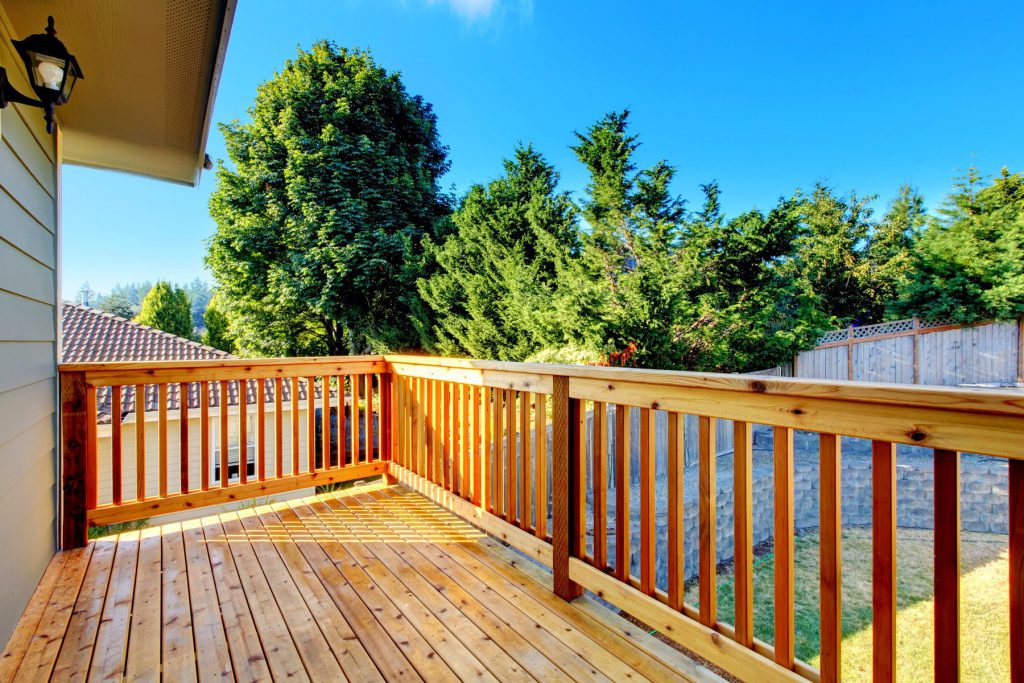
How to Evaluate a Deck Staining Contractor
If you are thinking about hiring out this project, which makes sense for larger decks, older wood, or jobs where the old finish needs stripping, here is what to ask before you sign anything.
Do They Include Pressure Washing in the Prep?
Any contractor who shows up and starts staining without washing and drying the surface is skipping the most important step. A quality contractor builds prep into the job, not around it.
What Products Do They Use, and Why?
A contractor who can explain why they chose a specific stain for your deck’s wood type and condition actually understands the work. Ask whether the product suits Michigan winters and whether it needs a sealer coat on top.
Can They Show You Comparable Completed Projects?
Deck staining results are visible and verifiable. Photos of finished decks, especially ones a year or two old, tell you more than any sales pitch.
What Is Covered If Something Goes Wrong?
Ask specifically about the warranty and whether they carry liability insurance. At Paramount Painting Services, every project comes with a 3-year craftsman warranty and a lifetime product warranty, all work is backed by full licensing and insurance, and the team is OSHA certified, which reflects the attention to process and safety that carries into every stage of a job.
Do They Communicate Clearly Before and During the Job?
A contractor who is hard to reach before you sign will be even harder to reach if something needs fixing afterward. Clear, consistent communication throughout should be a baseline expectation, not a bonus.
For a broader look at what separates a job that holds up from one that costs you more, our post on cheap paint job problems that cost homeowners more applies the same logic to any exterior project.
When DIY Makes Sense, and When It Doesn’t
Knowing how to stain a deck is one thing, and knowing when to hand it off is another. Staining a small, single-level deck that is in good shape is a reasonable DIY project for a Royal Oak homeowner who is comfortable with the work, given the right prep and a calm weather window. But some situations call for a professional:
- The deck has not been stained in several years and shows graying, cracking, or mildew.
- You are not sure what was previously applied or whether old coatings need stripping.
- The deck has multiple levels, intricate railings, or is hard to access safely.
- You want results that hold up for 3 or more years without redoing it.
The NAHB guide on wood deck construction and maintenance highlights how important proper inspection and ongoing maintenance are to protecting your investment in a wood deck, which matters even more in a climate like Michigan’s where seasonal extremes accelerate wear.
With Paramount Painting Services, the estimate is all-inclusive, so you see exactly what you are paying for in labor and materials. If we miscalculate on product, that is on us and never becomes a line item at the end, which is the No-Surprise Guarantee that backs every project.
Ready to Get Your Royal Oak Deck Stained the Right Way?
If your deck is due for staining, or you are not sure where it stands, Paramount Painting Services provides onsite estimates so you can see exactly what the work involves and what it costs before anything starts. Call 734-251-2073 for a FREE estimate today, and we will walk through what your deck needs to hold up through another Michigan winter and beyond.